 Drseervi
Introduction
Tree removal is a common requirement for homeowners and property managers across Australia. Whether a tree is damaged, diseased, posing a safety risk, or interfering with construction, you cannot simply remove it without checking local regulations. Australian councils have strict rules surrounding tree removal, and failing to follow them can lead to fines or legal issues.
Understanding these laws helps ensure safety, compliance, and protection of native vegetation.
Why Tree Removal Is Regulated in Australia
Australia has strong environmental and conservation policies. Councils regulate tree removal to:
Protect native species and biodiversity
Maintain ecological balance
Prevent unnecessary clearing
Ensure public safety
Preserve community green cover
This means you often need council approval before cutting or removing trees on your property.
Do You Need Council Approval to Remove a Tree?
In most cases — YES, council permission is required.
However, each council has its own rules based on:
Tree height
Trunk diameter
Species type
Distance from buildings
Heritage or conservation zoning
Approval is usually required when:
The tree is over 3–5 metres tall
The trunk is more than 30–40 cm in diameter
The tree is located in a Bushfire Protection Zone
The property falls under a Vegetation Protection Overlay (VPO)
The tree is a native or protected species
The safest option is to check your local council guidelines or hire a licensed arborist.
When You Don’t Need Council Permission
There are exemptions where homeowners can remove trees without approval:
Dead Trees
If a tree is completely dead or has fallen, most councils allow removal without permits.
Dangerous or Hazardous Trees
If a certified arborist reports the tree as dangerous due to:
Leaning
Cracked trunk
Diseased wood
Storm damage
…it may qualify for emergency removal.
Within a Certain Distance of a Home
In many councils, trees within:
3 metres (NSW)
2 metres (VIC & QLD varies by council)
from the house foundations can sometimes be removed without approval.
Invasive or Pest Species
Some trees are classified as weeds and can be removed freely, such as:
Camphor Laurel
Chinese Elm
Willow species
State-by-State Overview of Tree Removal Rules in Australia
NSW (New South Wales)
Controlled by the Native Vegetation Act and council Tree Preservation Orders (TPOs).
Most trees above 3 metres require approval.
10/50 Vegetation Rule applies in bushfire-prone areas.
VIC (Victoria)
Governed by Vegetation Protection Overlay (VPO).
Some councils require permits for trees with trunk diameter 30+ cm at 1.3 m height.
QLD (Queensland)
Many trees fall under Protected Vegetation Laws.
In Brisbane, a permit is required for significant or native trees.
WA (Western Australia)
Strict rules for native species removal.
Perth councils may require assessments from qualified arborists.
SA (South Australia)
Trees classified as Significant Trees or Regulated Trees require approval.
Heavy penalties apply for unlawful removal.
TAS & ACT
Most councils require permits unless the species is exempt or hazardous.
Consequences of Illegal Tree Removal
Removing a tree without permission can result in:
Fines ranging from $1,000 to $100,000+
Legal action from the council
Mandatory replanting orders
Complaints from neighbours
Some councils impose penalties per branch, making compliance extremely important.
How Professional Arborists Help
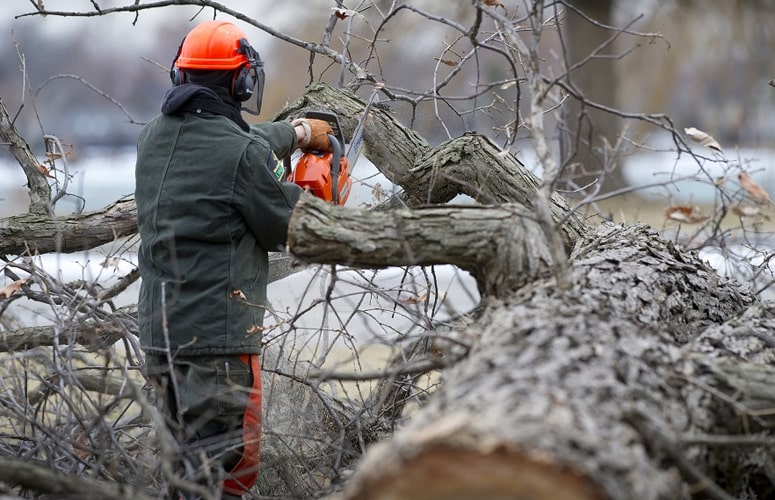
Hiring a licensed arborist makes the process safe and compliant. They provide:
Tree health and risk assessment
Documentation for council permits
Safe cutting and removal
Stump grinding and disposal
Advice on protected species
Their expertise helps avoid fines and ensures proper handling of dangerous or large trees.
Tips Before Removing a Tree
Check your local council website for guidelines
Take photos of the tree condition
Consult a licensed arborist
Understand if the tree is native or protected
Review boundary laws to avoid neighbour disputes
Consider trimming instead of removal if allowed
Being proactive saves time, money, and potential legal issues.
Conclusion
Tree removal in Australia is heavily regulated to protect the environment and ensure community safety. While some situations allow removal without council approval, most trees require formal permission — especially if they are large, native, or protected.
By understanding local laws, using professional arborists, and following council guidelines, homeowners can ensure safe, legal, and environmentally responsible tree management.
FAQs
1. Do all trees in Australia require a permit for removal?
No. Only trees that meet council size or species requirements generally need approval.
2. Can I remove a dangerous tree without approval?
Yes, if certified dangerous by an arborist. Some councils still require notification.
3. Are there penalties for cutting trees illegally?
Yes — fines can exceed $100,000 depending on the state and severity.
4. What is a Significant Tree?
A tree protected due to its size, age, species, or cultural importance.
5. Who should I contact for tree removal advice?
Always contact a qualified arborist or check your local council regulations.