 Drseervi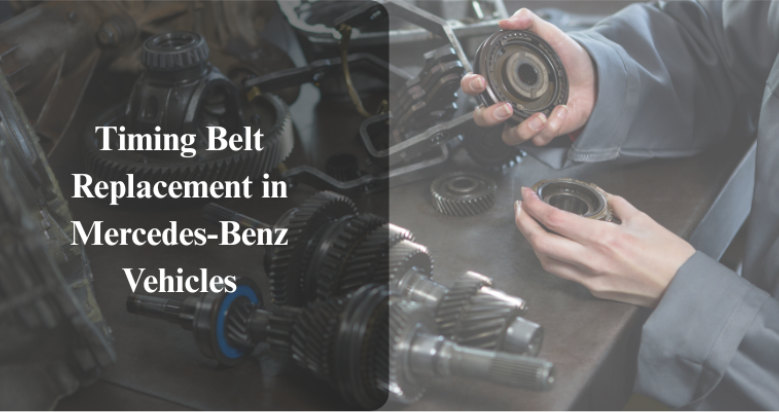
The timing belt is an important component in your Mercedes-Benz engine, ensuring that the camshaft and crankshaft rotate in sync. This synchronisation allows the engine valves to open and close at the right time, optimising performance and preventing costly damage. If the timing belt wears out or breaks, it can cause severe engine failure, leading to expensive repairs.
If you are searching for a Mercedes mechanic in Melbourne, finding one who understands the intricacies of timing belt replacement is essential. A Mercedes-Benz repairer can assess your vehicle’s condition and recommend the best course of action to maintain optimal performance.
What are the signs your Mercedes-Benz timing belt needs replacement?
A worn-out timing belt can lead to various engine issues. Here are some signs that indicate it may be time for a timing belt replacement:
Engine misfires: A slipping or damaged timing belt can cause improper combustion, leading to misfires and reduced efficiency.
Unusual noises: A failing timing belt may produce a high-pitched whining or ticking sound from the engine.
Difficulty starting the car: If the belt has snapped or lost tension, the engine may struggle to start or fail to start altogether.
Oil leaks: Oil leaking from the timing belt cover could be a sign of wear or contamination affecting the belt.
Visible wear and tear: Cracks, fraying, or glazing on the belt surface indicate it needs immediate replacement.
If you notice any of these signs, visit a Mercedes-Benz workshop to get assistance before further damage occurs.
What is the timing belt replacement process?
Replacing the timing belt in a Mercedes-Benz requires precision and expertise. Here’s a step-by-step overview of the replacement process:
Initial Inspection: A trained Mercedes mechanic in Melbourne will assess the belt’s condition and determine if a replacement is necessary.
Engine Disassembly: The mechanic removes components obstructing access to the timing belt, such as engine covers and accessory belts.
Old Belt Removal: The worn timing belt is carefully taken out, ensuring that all timing marks remain aligned.
Installation of the New Belt: A high-quality replacement belt is installed with proper tension settings.
Reassembly and Testing: The mechanic reassembles the engine components and tests the system to confirm that the new belt functions correctly.
Regular maintenance at a Mercedes-Benz workshop ensures that the timing belt and associated components remain in top condition, preventing costly breakdowns.
What are the recommended timing belt replacement intervals?
Mercedes-Benz models vary in their timing belt replacement intervals. However, a general guideline suggests replacing the belt every 80,000 to 100,000 kilometres. Some newer models may have more durable belts lasting up to 120,000 kilometres, while older models might require more frequent replacements.
Consult your vehicle’s manual or a Mercedes mechanic in Melbourne for model-specific recommendations. Certain driving conditions, such as frequent stop-and-go traffic, extreme temperatures, or off-road driving, can shorten the belt’s lifespan, necessitating earlier replacement.
Neglecting to replace the timing belt within the recommended timeframe can lead to catastrophic engine failure, which is significantly more expensive than preventive maintenance.
What are additional components replaced during timing belt service?
In many cases, timing belt replacement is not just about the belt itself. Other components that may need replacement include:
Tensioners and Idler Pulleys: These components keep the belt aligned and maintain the correct tension. If worn, they can cause the new belt to fail prematurely.
Water Pump: Many Mercedes-Benz models have the water pump driven by the timing belt. Replacing it alongside the belt prevents future issues and saves on labour costs.
Camshaft and Crankshaft Seals: If these seals show signs of wear, replacing them during timing belt service prevents oil leaks that could damage the new belt.
A reputable Mercedes-Benz repairer will inspect these components during the replacement process and recommend necessary changes to ensure long-term reliability.
What is the cost of replacing the timing belt in Mercedes-Benz vehicles?
The cost of timing belt replacement depends on several factors, including:
The model and year of your Mercedes-Benz
Labour charges at a Mercedes-Benz workshop
Additional parts such as tensioners, pulleys, and water pumps
Some high-performance Mercedes-Benz models may have more complex timing systems, resulting in higher replacement costs.
Searching for a Mercedes repair near you can help you find a reliable mechanic offering competitive pricing.
What are the consequences of ignoring timing belt replacement?
Delaying or neglecting timing belt replacement can lead to severe engine damage. If the belt snaps while driving, the pistons and valves may collide, resulting in costly repairs or even complete engine failure. Here are the potential consequences:
Bent or Broken Valves: A snapped timing belt can cause valves to crash into the pistons, requiring expensive engine repairs.
Cylinder Head Damage: The impact of a failed belt can crack or warp the cylinder head, increasing repair costs.
Piston Damage: In severe cases, the pistons themselves may get damaged, requiring a complete engine rebuild.
A preventive timing belt replacement at the recommended interval can save you thousands of dollars in repair costs and keep your Mercedes-Benz running smoothly.
Why choose the right Mercedes-Benz mechanic?
Finding a trusted mechanic for timing belt replacement is essential to maintaining your vehicle’s performance. Here’s what to look for when selecting a Mercedes-Benz repairer:
Experienced Mechanic: Ensure the mechanic in Mercedes-Benz vehicles.
Genuine Parts Usage: Always opt for workshops that use genuine or high-quality aftermarket parts.
Customer Reviews: Look for positive customer feedback on reliability and service quality.
Warranty on Service: A good workshop provides a warranty on timing belt replacement.
Transparent Pricing: Choose a mechanic who provides upfront pricing without hidden costs.
If you need a professional Mercedes mechanic in Melbourne, research local workshops or dealerships with expertise in handling Mercedes-Benz vehicles.
How to Extend the Lifespan of Your Timing Belt?
While timing belt replacement is inevitable, proper maintenance can help extend its lifespan:
Drive Smoothly: Avoid aggressive acceleration and sudden stops, as these put additional strain on the belt.
Regular Inspections: Have your mechanic check the belt’s condition during routine servicing.
Keep Engine Oil Levels in Check: Low or contaminated oil can cause the belt and related components to deteriorate faster.
Avoid Overheating: High engine temperatures can weaken the belt material, leading to premature wear.
By following these steps, you can maximise the longevity of your timing belt and prevent unexpected breakdowns.
Take Away
A well-maintained timing belt is important for the smooth functioning of your Mercedes-Benz. Routine inspections and timely replacements can prevent expensive engine repairs and ensure long-term performance. If you suspect any issues with your vehicle’s timing belt, consult a Mercedes mechanic in Melbourne for recommended service.
Don’t wait until a minor issue turns into a major engine failure—schedule your timing belt replacement today!