 Drseervi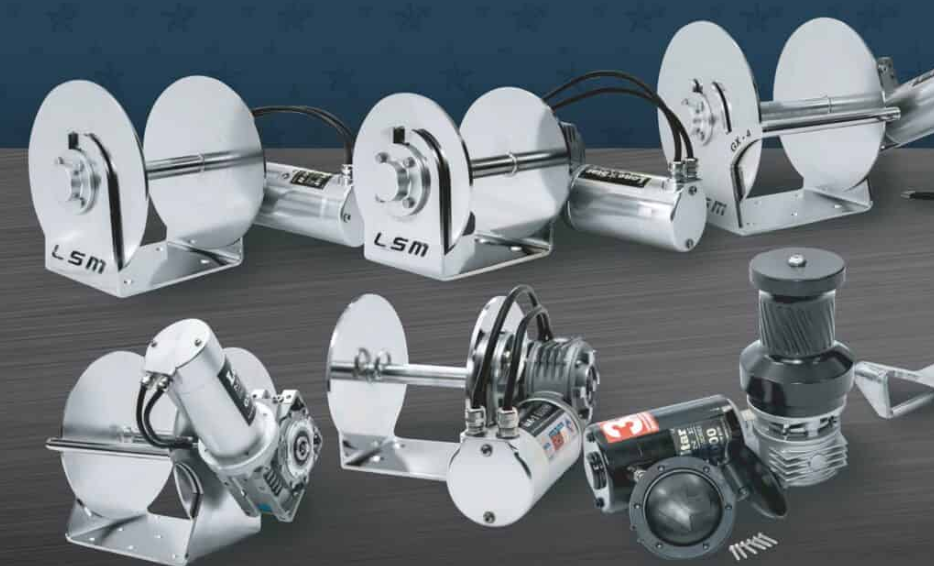
GX series anchor winches are designed to make anchoring easier, safer, and more efficient. However, even the most advanced equipment can underperform or wear prematurely if it is not used correctly. Many boating issues linked to anchor winches are not caused by manufacturing faults but by avoidable usage mistakes. Using a boat anchor winch correctly and within its load limits helps prevent mechanical strain while ensuring smoother, safer anchoring during every trip. Long-term consistent performance, increased safety, and equipment protection can all be achieved by being aware of these frequent mistakes.
Ignoring Proper Installation Guidelines
One of the most frequent mistakes occurs before the winch is ever used. Incorrect installation can lead to alignment issues, uneven loading, or excessive strain on the motor. When the anchor line or chain does not feed smoothly into the winch, it increases friction and accelerates wear. Poor mounting can also affect balance on the bow, which may impact overall boat handling.
Ensuring that the winch is installed according to manufacturer recommendations helps maintain smooth operation and prevents unnecessary stress on internal components. Taking time to confirm correct positioning early on can prevent costly problems later.
Using The Wrong Anchor Or Rode Type
Another common issue is pairing the winch with an anchor or rode that is not suited to the system. Anchors that are too heavy or chains that exceed recommended specifications place excess load on the motor and gears. This may eventually result in decreased effectiveness and a shorter winch lifespan.
Using compatible anchor sizes and proper rope or chain combinations ensures the winch operates within its designed limits. This balance supports reliable anchoring while protecting the mechanical system from overuse.
Overloading The Winch During Retrieval
Some boaters rely on the winch to pull the vessel toward the anchor instead of using engine power. This practice places extreme strain on the winch and can lead to motor overheating or gear damage. Anchor winches are designed to lift and lower anchors, not to act as towing devices.
Using the boat’s engine to move closer to the anchor before retrieval significantly reduces stress on the winch. This simple habit helps preserve performance and avoids unnecessary mechanical failures.
Failing To Monitor The Anchor Line
Allowing slack, tangles, or uneven spooling is another common mistake. When the anchor line does not feed evenly, it can jam inside the winch housing or place uneven pressure on internal components. This often happens when operators rely entirely on automation without visually checking the line during operation.
Actively monitoring the anchor line during deployment and retrieval helps ensure smooth movement. Correcting issues early prevents jams and reduces wear over time.
Skipping Routine Maintenance
Marine environments are harsh, and even durable equipment requires regular care. Neglecting maintenance allows salt buildup, debris, or corrosion to affect performance. Many users assume that anchor winches are maintenance-free, which can lead to gradual efficiency loss or sudden failure.
Regular inspections, cleaning, and lubrication help keep the winch operating smoothly. Early resolution of minor issues lowers the possibility of unforeseen issues during crucial boating situations.
Operating At The Wrong Speed Or Angle
Rapid or jerky operation can cause unnecessary stress on both the winch and anchor system. Deploying or retrieving the anchor too quickly may lead to sudden jolts that strain the motor and mounting hardware. Similarly, operating the winch when the boat is positioned at an awkward angle to the anchor can increase resistance.
Smooth, controlled operation ensures consistent tension and minimises mechanical stress. Paying attention to boat positioning improves overall efficiency and extends equipment life.
Ignoring Warning Signs
Unusual noises, slower operation, or inconsistent movement are often early indicators of developing issues. Ignoring these signs can turn minor problems into major repairs. Many boaters continue using the winch despite noticeable changes in performance, assuming the issue will resolve itself.
Responding promptly to warning signs helps prevent breakdowns and ensures continued reliability. Early intervention often saves time and expense in the long run.
Improving Performance Through Proper Use
Avoiding these common mistakes allows GX series anchor winches to perform as intended. Correct installation, appropriate load management, routine maintenance, and attentive operation all contribute to smoother anchoring experiences. By using the winch within its design limits and addressing issues early, boaters can enjoy reliable performance and greater peace of mind.
Consistent, informed use not only protects the equipment but also enhances safety and comfort on the water, making every trip more enjoyable and stress-free.