
 Drseervi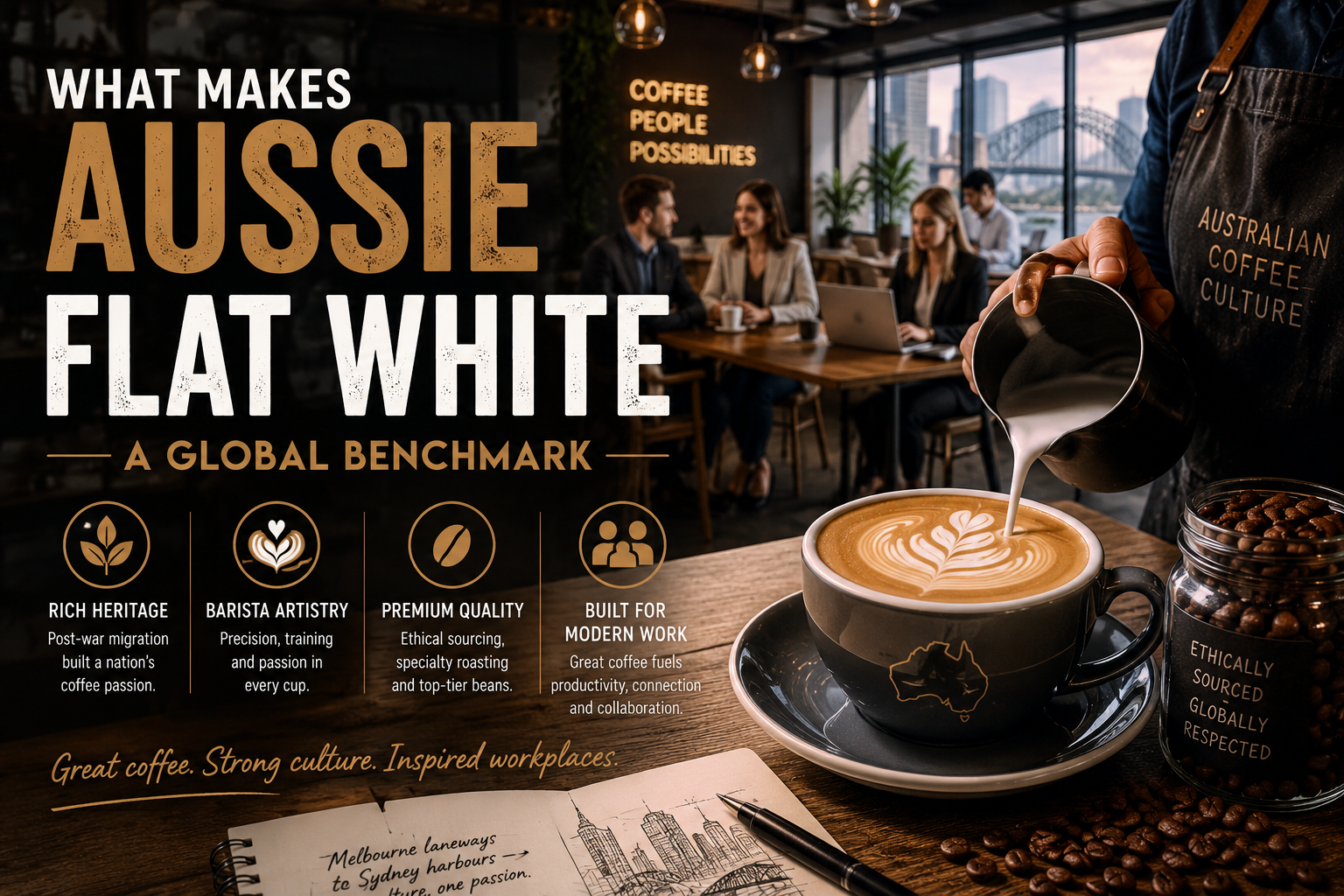
To the uninitiated, coffee is a simple morning commodity, a quick dose
of caffeine to jumpstart the working day. However, in Australia, coffee is
treated with a level of reverence, precision, and culinary artistry that rivals
the finest winemaking. From the sun-drenched laneways of Melbourne to the
bustling commercial hubs of Sydney, Australian coffee culture has evolved into
a global gold standard. It is an industry built on uncompromised quality,
artisanal roasting, and a deeply entrenched social ritual that has successfully
exported its aesthetics and standards to major cities worldwide, from London to
New York.
How Post-War Migration Shaped a Nation’s Palate
The foundation of Australia’s unparalleled coffee scene was laid in
the mid-20th century. Following the Second World War, a massive wave of Italian
and Greek immigrants arrived on Australian shores, bringing with them a
profound love for traditional espresso and the country’s first domestic
espresso machines. These European migrants introduced a palate accustomed to
rich, complex roasts, radically transforming a nation previously dominated by
British tea-drinking traditions.
Crucially, the Australian market did not merely replicate European
styles; it refined them. Aussie baristas pioneered a lighter, sweeter roasting
profile that accentuated the distinct regional characteristics of the coffee
beans, rather than masking them with heavy roasts or artificial syrups. This
relentless experimentation led to the creation of the Flat White, a seamless
blend of double espresso and velvety micro-foam texture that has since
conquered the global specialty coffee market. This historical focus on quality
created a highly discerning consumer base; in Australia, chains that rely on
highly automated, mass-produced coffee have historically struggled to compete
against the fierce independence of local, boutique roasters.
The Modern Workspace Integration of Coffee as
Corporate Currency
As Australian coffee culture matured, it broke free from the confines
of independent weekend cafes and penetrated the very core of the professional
world. In the contemporary Australian corporate landscape, the availability of
specialty-grade coffee is no longer viewed as a luxury perk, but as an
essential driver of workplace productivity, collaboration, and employee
satisfaction.
This shift has radically altered how modern commercial environments
are designed. As flexible working models continue to reshape the economy,
premium hospitality has become a core differentiator for corporate real estate.
For example, the booming network of coworking
spaces Australia hosts across its major capitals almost
universally features high-end espresso bars with professional-grade machinery, often
staffed by dedicated baristas. This integration serves a strategic purpose to
transform the traditional, sterile office break room into a dynamic social
anchor point, fostering casual networking and cross-industry collaboration over
a perfectly extracted single-origin espresso.
This phenomenon is equally visible in more structured corporate
districts. In major financial and tech sectors, such as the northern commercial
extension of Sydney's harbor precinct, businesses demand an environment that
blends prestige with lifestyle flexibility. High-calibre serviced offices North Sydney providers attract
top-tier tenants by curating spaces where premium, cafe-quality coffee is
seamlessly woven into the executive experience. Whether hosting an internal
strategy session or closing a deal with international clients, having access to
a world-class flat white or cold brew within the office perimeter has become a
subtle yet powerful symbol of professional sophistication.
The 3 Pillars of Excellence with Sourcing,
Barista Artistry & Hospitality
What truly cements Australian coffee as the best in the world is the
holistic commitment to the entire supply chain. Australian specialty roasters
are global leaders in direct-trade sourcing, working closely with farmers in
South America, Africa, and Asia to ensure ethical practices and the selection
of top-tier micro-lots.
Furthermore, the role of the barista in Australia is viewed as a
highly respected, long-term professional career rather than a transient student
job. Baristas undergo rigorous training in sensory analysis, milk chemistry,
and water filtration engineering to ensure absolute consistency in every cup.
This technical mastery is paired with a distinct style of hospitality—warm,
egalitarian, and fiercely community-focused. The Australian cafe is a
democratic space where judges, construction workers, and tech entrepreneurs sit
side-by-side, united by a shared appreciation for the perfect extraction.
A Global Legacy Built One Cup at a Time
Ultimately, what makes Australian coffee extraordinary is not a secret
ingredient, but a collective cultural obsession. It is the refusal to accept
mediocrity in a cup, a respect for historical immigrant roots, and a
forward-thinking willingness to integrate this culinary passion into the places
where we live, create, and conduct business.
By treating coffee as an art form rather than a routine stimulant,
Australia has created a lifestyle blueprint that continues to inspire the
world. In an increasingly fast-paced global economy, the Australian coffee
ritual stands as a reminder that taking the time to master a craft, optimize a
detail, and appreciate a moment of sensory perfection is an investment always
worth making.